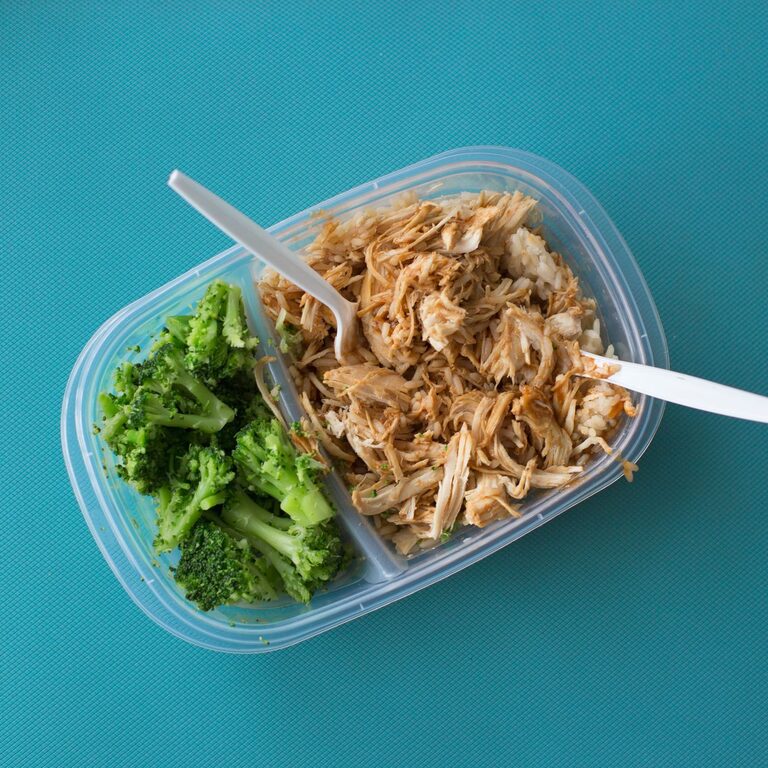
Planning meals from pantry staples is a smart way to save time, reduce grocery bills, and minimize food waste. Your pantry is a treasure trove of ingredients that can be combined in countless ways to create satisfying and nutritious meals. Whether you’re new to meal planning or looking to make the most of what’s on your shelves, this guide will help you build delicious dishes using pantry basics.
Why Plan Meals from Pantry Staples?
Relying on pantry staples helps you:
– Avoid last-minute trips to the store
– Use ingredients you already own
– Stay within your food budget
– Create quick meals when fresh ingredients are low
– Reduce food waste by using items before expiration
With a bit of preparation and creativity, you can turn common pantry items into meals that feel fresh and exciting.
Step 1: Take Inventory of Your Pantry
Before you start planning, get familiar with what you have. Empty your pantry shelves or take photos to make a list of:
– Grains: rice, pasta, quinoa, couscous
– Canned goods: beans, tomatoes, vegetables, tuna
– Baking basics: flour, sugar, baking powder, cocoa
– Oils and vinegars
– Spices and herbs
– Nuts, seeds, and dried fruit
– Broths or bouillon cubes
This inventory will give you a clear picture of your staples and inspire meal ideas.
Step 2: Choose a Meal Planning Method
There are several ways to plan meals from pantry staples:
Weekly Meal Plan
Map out breakfast, lunch, and dinner for the week using pantry ingredients. This helps you shop for fresh produce or proteins you need to complement pantry items.
Recipe Collection
Gather recipes that rely heavily on pantry staples. Keep these favorites handy for busy nights.
Ingredient-Based Approach
Pick a core ingredient (like canned chickpeas or pasta) and build meals around it.
Step 3: Mix and Match Pantry Staples
Here are some easy meal ideas using common pantry items:
Grain Bowls
Start with cooked rice, quinoa, or couscous. Add canned beans or tuna, chopped nuts or seeds, and a simple dressing made from olive oil and vinegar or lemon juice. Top with canned or fresh vegetables.
Pasta Dishes
Use pasta and canned tomatoes or tomato sauce as a base. Add garlic, onions (fresh or dried), and herbs like basil or oregano. Toss in canned beans or cooked lentils for protein.
Soups and Stews
Combine canned vegetables, beans, or lentils with broth. Add spices or dried herbs and simmer until flavors meld. Serve with crusty bread or crackers.
Stir-Fries
Use rice or noodles with canned or frozen vegetables. Add soy sauce, garlic, and ginger (fresh or powdered) for flavor.
Salads
Mix canned beans, nuts, dried fruit, and grains with a simple oil and vinegar dressing. Add fresh produce when available.
Step 4: Supplement with Fresh Ingredients
While pantry staples are the foundation, fresh produce, proteins, and dairy can enhance meals. Plan your shopping list around what you need to complement your pantry-based dishes. For example, buy fresh greens for salads or a few vegetables to roast alongside your grain bowls.
Step 5: Store Pantry Staples Correctly
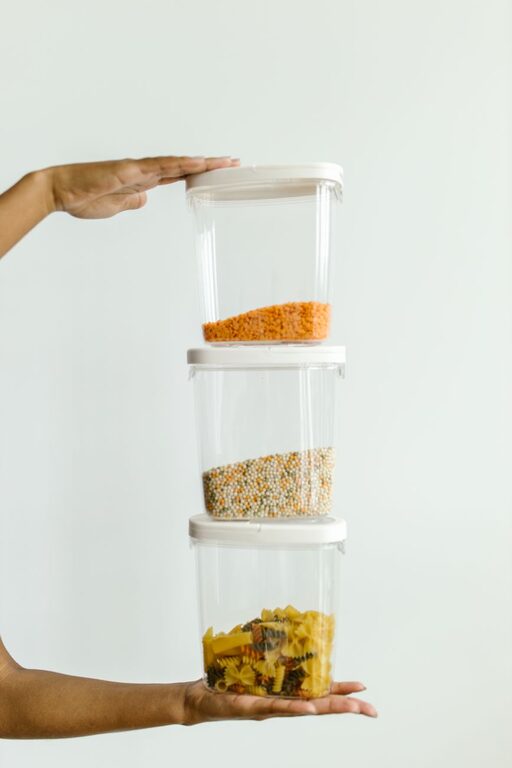
Keep your pantry organized so you always know what you have. Store items in clear, airtight containers to maintain freshness and visibility. Group similar items together — grains, canned goods, baking supplies, and spices — so meal planning becomes easier.
Tips for Success
– Rotate stock: Use the oldest items first to prevent spoilage.
– Keep basics stocked: Items like canned beans, pasta, rice, and spices are versatile and have long shelf lives.
– Plan flexible recipes: Many dishes can be adapted to use different types of beans or grains depending on availability.
– Use apps or meal planners: Digital tools can help you organize your pantry and plan meals efficiently.
Sample Pantry Meal Plan for a Day
– Breakfast: Oatmeal topped with nuts, dried fruit, and a drizzle of honey.
– Lunch: Chickpea and rice bowl with olive oil, lemon juice, canned corn, and herbs.
– Dinner: Spaghetti with tomato sauce, canned mushrooms, garlic, and a side of steamed frozen vegetables.
– Snack: Trail mix made of nuts, seeds, and dried fruit.
Final Thoughts
Meal planning using pantry staples is an empowering way to cook in a resourceful and economical manner. With a little creativity and organization, your pantry can become the heart of your kitchen, providing the building blocks for nourishing and delicious meals every day. Start with what you have, supplement wisely, and enjoy the process of transforming simple ingredients into satisfying dishes. Happy cooking!
About the Author