
Choosing a notebook might seem like a simple task, but finding one you’ll actually use can make a big difference in your daily routine. Whether you want to jot down ideas, organize tasks, or journal, the right notebook can encourage you to write consistently. This guide will help you select a notebook that fits your style, purpose, and habits.
Why Choosing the Right Notebook Matters
A notebook is more than just paper. It’s a tool that can help you capture thoughts, keep track of plans, or spark creativity. When your notebook feels right, you’re more likely to use it regularly. On the other hand, a poorly chosen notebook can quickly end up unused, collecting dust on a shelf.
Consider Your Purpose
Before you start looking at notebooks, think about why you want one. Here are some common purposes:
– Journaling: Writing daily reflections or gratitude entries
– Note-taking: For school, work meetings, or lectures
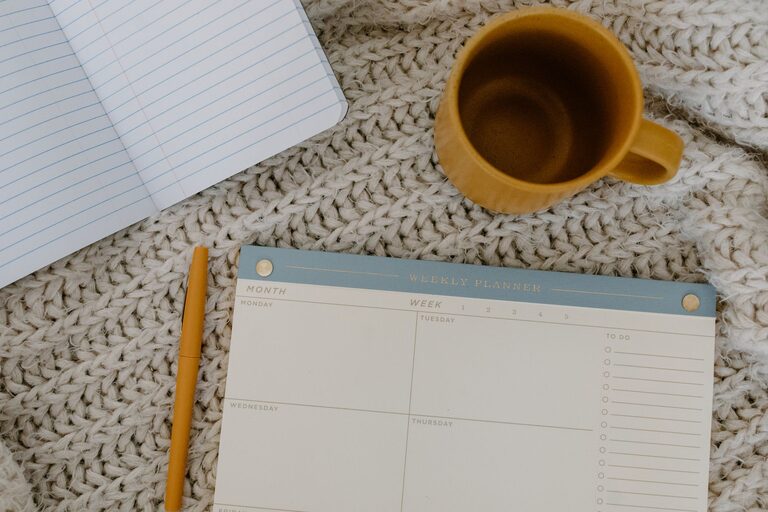
– Planning: Tracking to-dos, schedules, or goals
– Creative writing: Drafting stories, poems, or ideas
– Sketching: Drawing or doodling alongside notes
Knowing your main purpose helps narrow down the features to look for.
Key Features to Look For
1. Size and Portability
Notebooks come in many sizes—from tiny pocket notebooks to large sketchbooks.
– Pocket-sized (3×5 or 4×6 inches): Easy to carry everywhere, great for quick notes or lists.
– Standard sizes (5×8 or 6×9 inches): Comfortable for writing, fits in most bags.
– Large sizes (8.5×11 inches or bigger): Ideal for detailed notes or sketches but less portable.
Think about where you’ll use your notebook most. Will it travel with you, stay on your desk, or be your bedside companion?
2. Paper Type and Quality
Paper quality affects your writing experience and the durability of your notes.
– Weight: Measured in GSM (grams per square meter). Heavier paper (around 90-120 GSM) resists ink bleed-through.
– Texture: Smooth paper is nice for pen writing; rougher paper is better for pencils or markers.
– Color: White or cream paper—cream is softer on the eyes.
If you use fountain pens or markers, try to find paper that prevents bleeding and feathering.
3. Binding Style
The way your notebook is bound affects how it opens and lays flat.
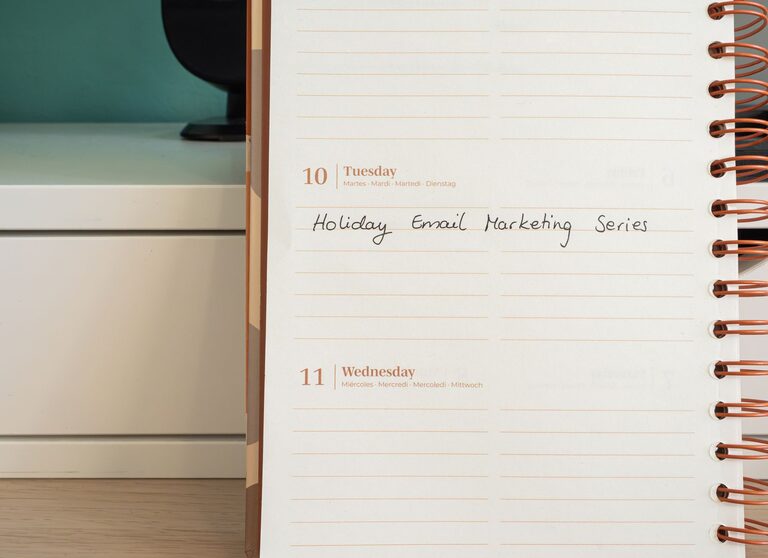
– Spiral-bound: Opens flat, pages can be torn out, but may wear out faster.
– Sewn binding: Durable and often opens flat, ideal for long-term use.
– Glue-bound (perfect binding): Looks sleek but might not lay flat easily.
Choose a binding that fits your writing style and how you want to handle the notebook.
4. Page Layout
The page design can guide or free your writing.
– Lined: Good for straightforward writing or note-taking.
– Blank: Perfect for sketches, diagrams, or freeform notes.
– Dotted: Provides subtle structure for writing and drawing.
– Grid: Helpful for charts, graphs, or bullet journaling.
Consider what layout encourages your creativity or organization best.
5. Cover Material and Durability
Your notebook’s cover protects your pages and contributes to the overall feel.
– Hardcover: Sturdy and protects pages, good for long-term use.
– Softcover: Flexible and lightweight but less protective.
– Water-resistant or leather covers: Add durability and style.
If you carry your notebook around often, a durable cover is a good investment.
6. Additional Features
Some notebooks include extras that might enhance your experience.
– Built-in pockets for loose papers
– Elastic closures to keep it shut
– Ribbon bookmarks to mark pages
– Numbered pages for easy reference
– Perforated pages for easy removal
Think about which features would be useful or distracting.
Tips for Choosing Your Perfect Notebook
– Test before you buy: If possible, write or draw on a sample page to check paper quality.
– Pick something that inspires you: Colors, patterns, or quotes on the cover can motivate you.
– Match your tools: Make sure your favorite pen or pencil works well with the notebook paper.
– Set clear goals: Decide what you want to track or create with your notebook to stay motivated.
– Don’t overthink: It’s okay to try different notebooks until you find one that feels right.
Making the Most of Your Notebook
Even the best notebook won’t help if it’s left unused. Here are some tips to keep using it regularly:
– Keep it visible and within reach
– Use it daily, even if only for a few minutes
– Combine writing with enjoyable routines, like morning coffee
– Avoid digital distractions when using your notebook
– Celebrate small wins, like filling a page or completing a list
Final Thoughts
Choosing a notebook you’ll actually use is about matching your needs with the right features and feel. It should be a helpful, enjoyable companion—not a burden. Take time to explore your options, and remember that any notebook can become your best tool with a little habit-building and creativity.
Happy writing!
About the Author